GENERAL INFORMATION
Join us for IFAC NMPC 2027 (single-track conference) in Hamburg, where the sea meets the city and old maritime grit runs into world-class culture!
Background and Scope
Model Predictive Control (MPC) has emerged as a leading advanced control methodology across major industries including process engineering, energy systems, automotive, aerospace and robotics. Its enduring appeal stems from its ability to handle constraints and seamlessly integrate with distributed optimization, data-driven modeling and machine learning. Over the years, MPC has expanded beyond its traditional linear setting to address nonlinear, hybrid, distributed and large-scale systems. Advances in computation, optimization, and machine learning have further broadened MPC to tackle increasingly complex and uncertain systems.
The IFAC NMPC conference provides a focused forum to present advances in these areas and engage with researchers working at their intersection. The series began in 1998 in Ascona, Switzerland, and has since been held in Germany (2005), Italy (2008), the Netherlands (2012), Spain (2015), the USA (2018), Slovakia (2021), and Japan (2024). NMPC 2027 will be a single-track conference held over three and a half days, encouraging in-depth discussion among all participants.
Topics
NMPC2027 covers a wide range of research directions in control theory and applications. The topics of interest include the following, but are not limited to:
- Theoretical foundations of NMPC
- Stochastic, robust and distributed NMPC
- NMPC and communication
- Data-driven predictive control
- Numerical methods for NMPC
- Machine Learning and NMPC
- Foundational models and NMPC
- New frontiers in NMPC
- NMPC applications, for example in the domains:
- Aeronautics, automotive, mechatronics
- Biotechnology, process systems
- Power, energy and HVAC systems
- Medicine and medical engineering
- Robotics
- Industrial applications of NMPC
National Organizing Committee (NOC)

Timm Faulwasser
Hamburg University of Technology,
Germany
Lars Grüne
University of Bayreuth,
Germany
Annika Eichler
Hamburg University of Technology,
Germany
Janani Venkatasubramanian
Hamburg University of Technology,
Germany

Axel Schild
RE Technologies GmbH,
Germany
Tobias Gybel Hovgaard
Shanghai Electric Wind Power Group Co., Ltd., Denmark
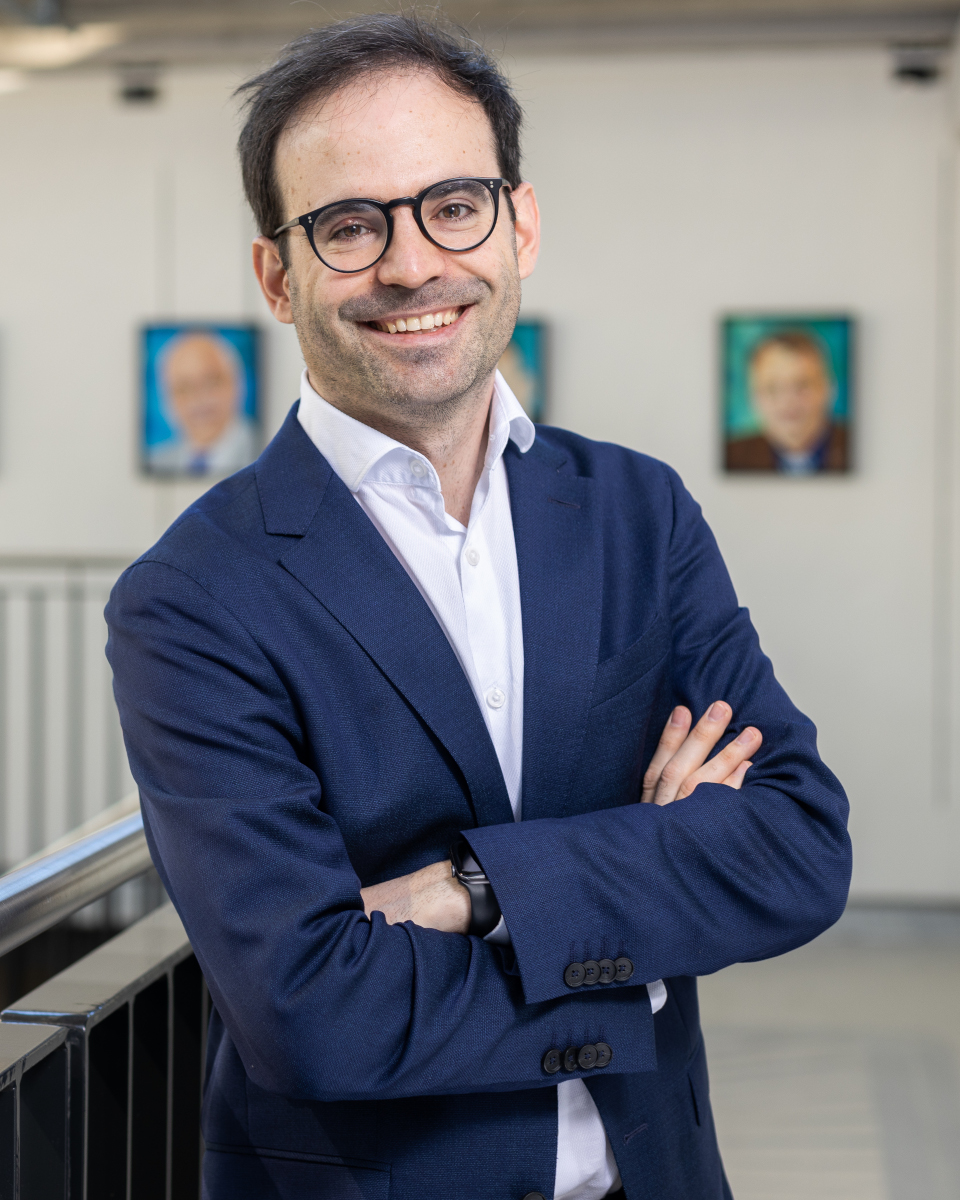
Sergio Lucia
Technical University of Dortmund,
Germany
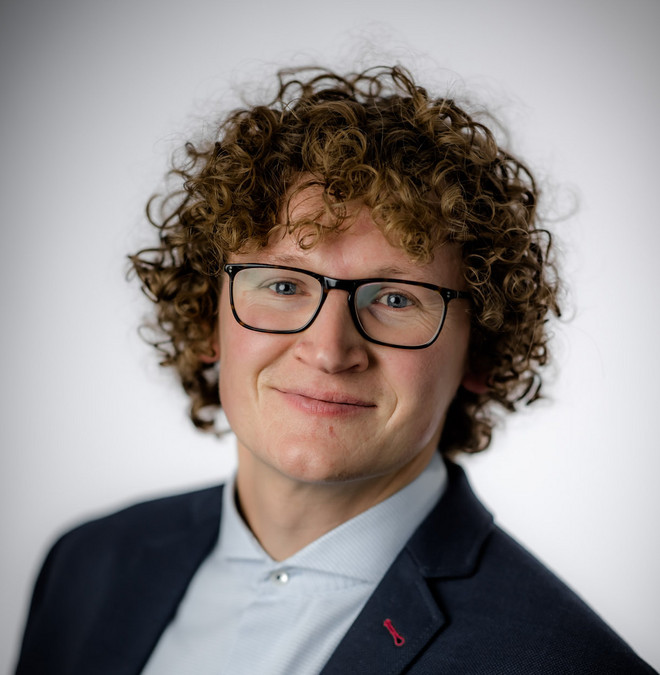
Moritz Schulze Darup
Technical University of Dortmund,
Germany
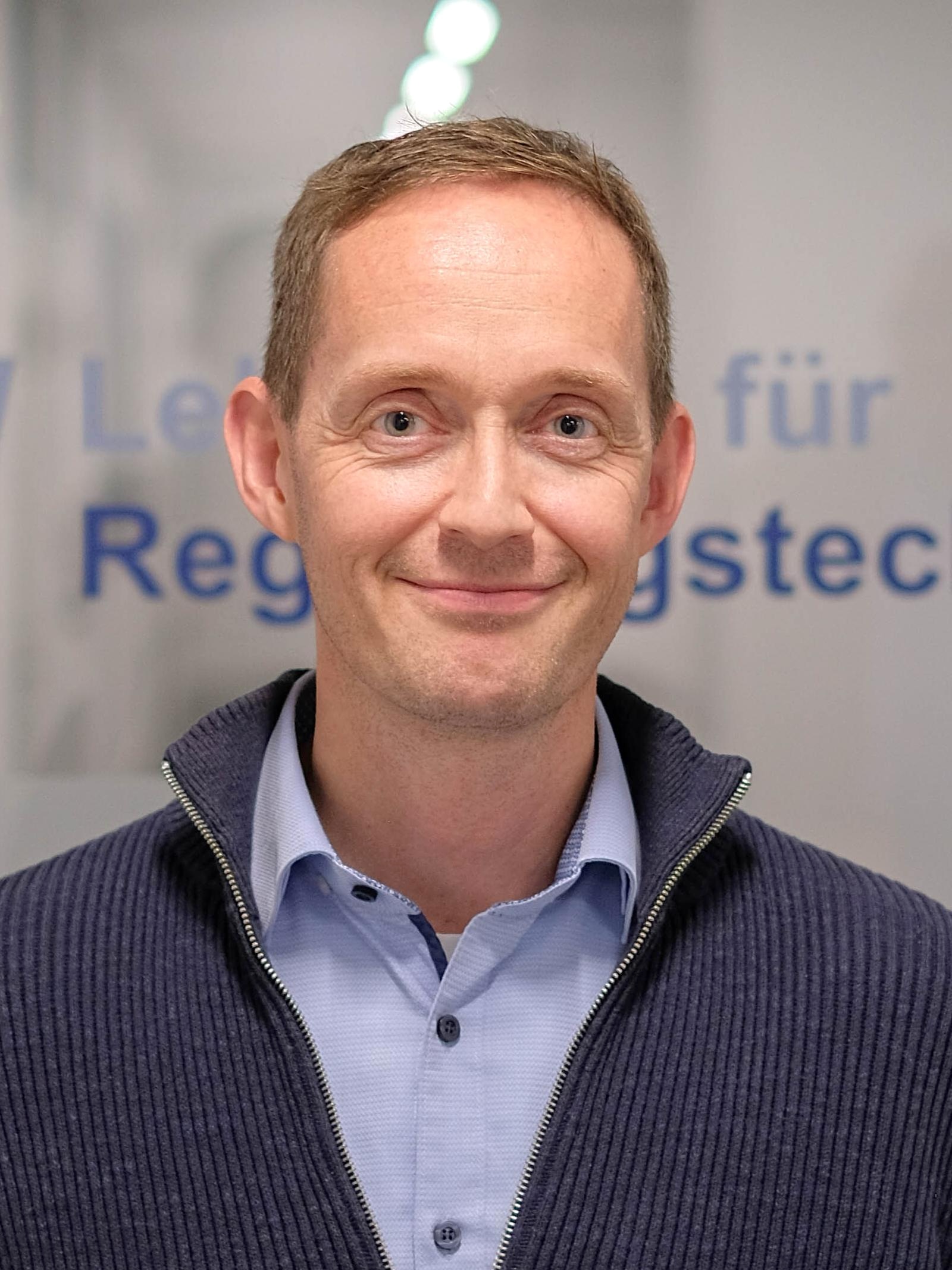
Knut Graichen
Friedrich-Alexander University of Erlangen–Nuremberg, Germany
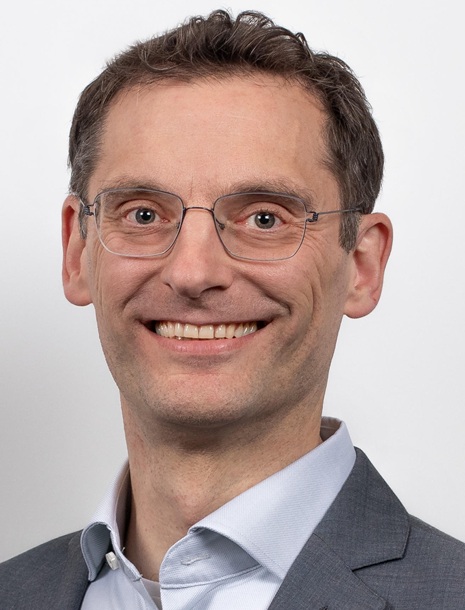
Stefan Streif
Chemnitz University of Technology,
Germany

Thulasi Mylvaganam
Imperial College London,
United Kingdom
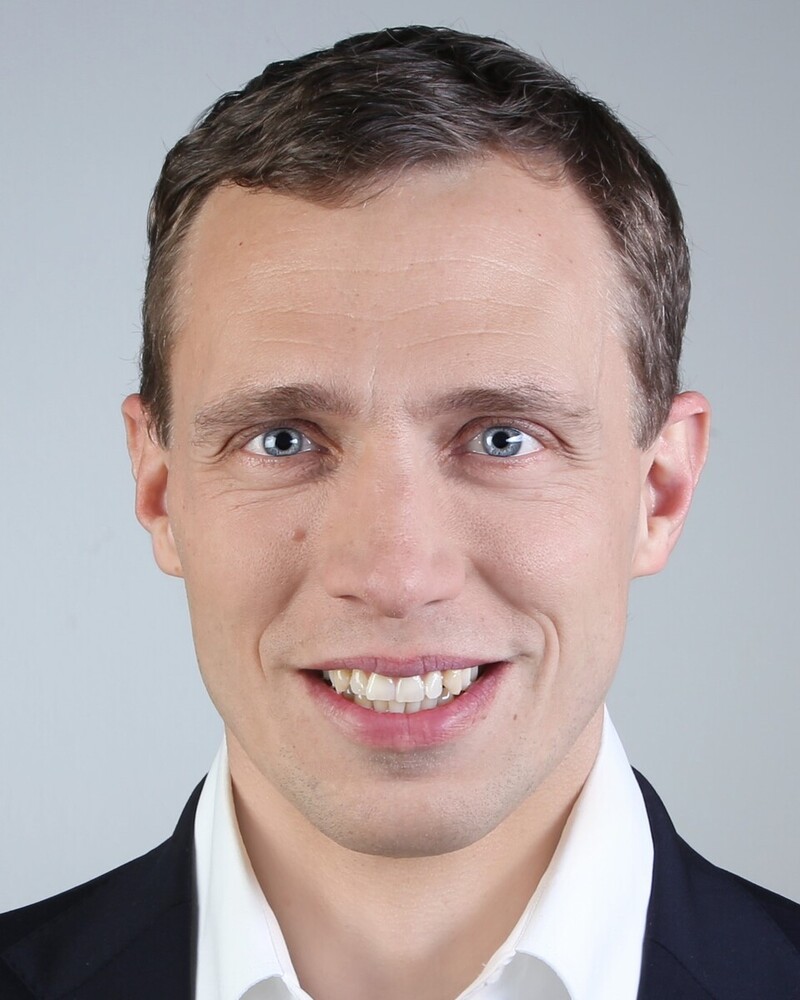
Karl Worthmann
Ilmenau University of Technology,
Germany

Rolf Findeisen
Technical University of Darmstadt,
Germany
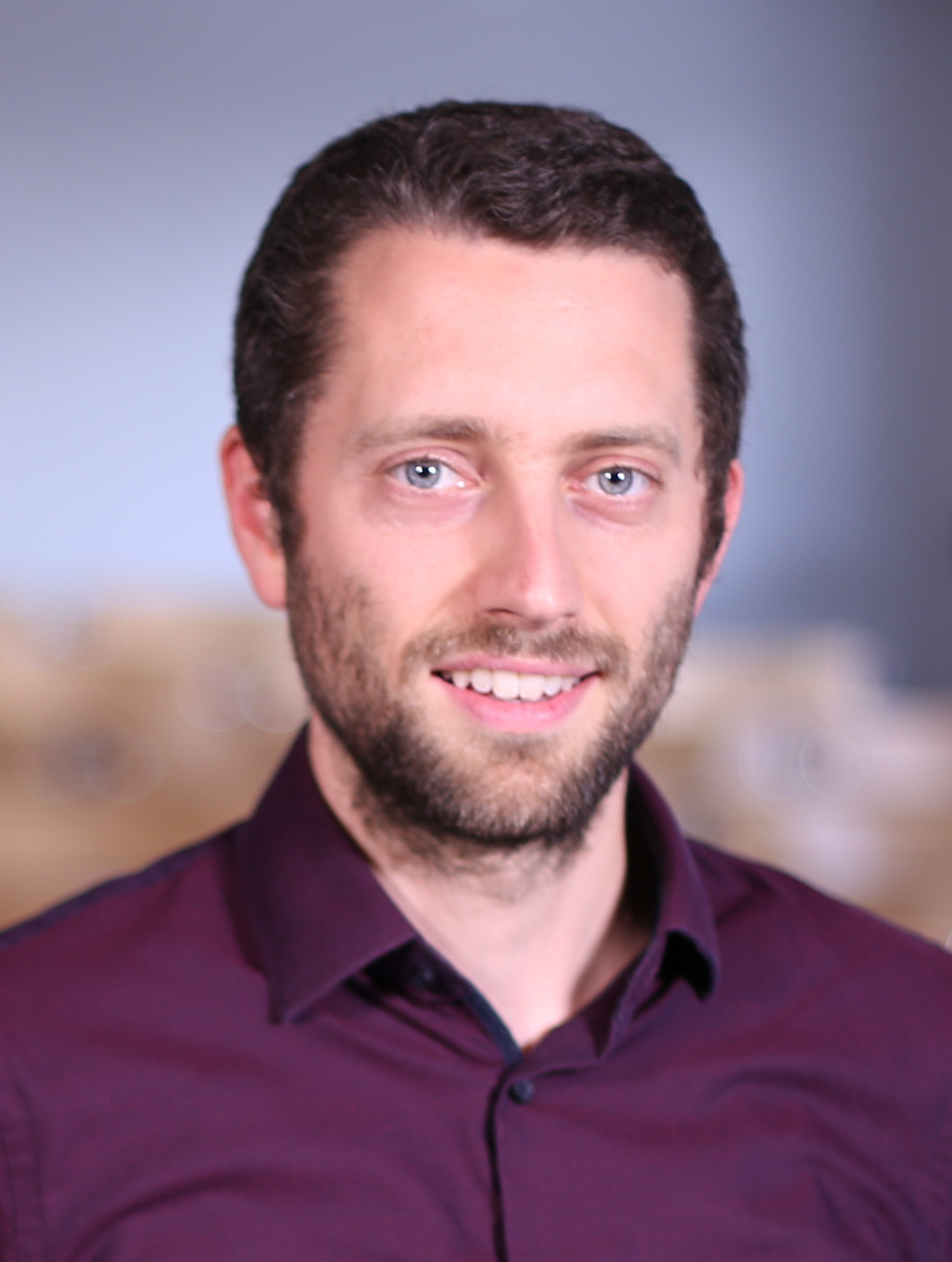
Matthias Müller
Leibniz University Hannover,
Germany
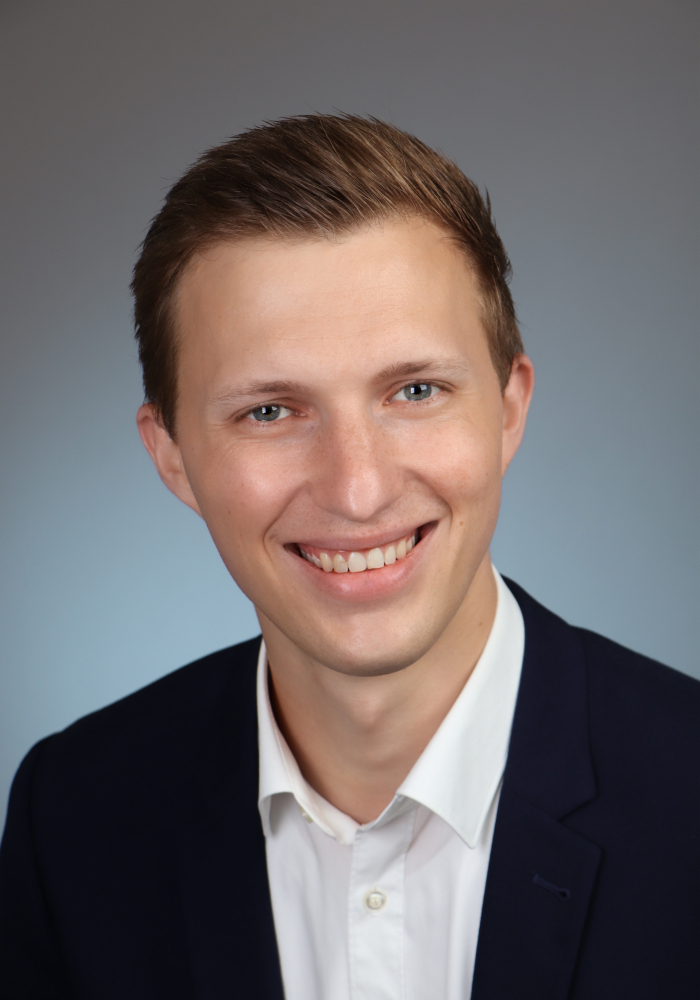
Julian Berberich
University of Stuttgart,
Germany
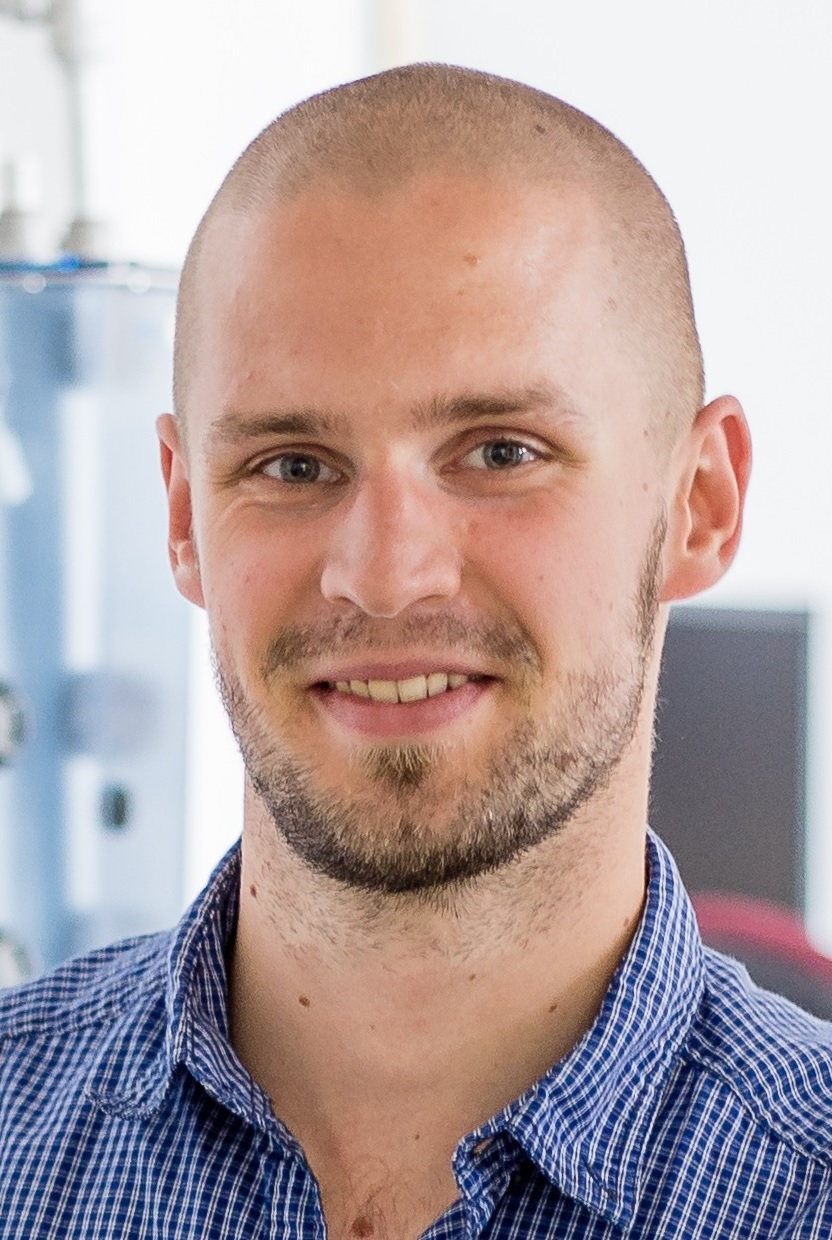
Matti Noack
Hamburg University of Technology,
Germany
International Program Committee (IPC)
Carlos Ocampo-Martinez
Universitat Politècnica de Catalunya,
Spain
Helen Durand
Wayne State University,
Michigan
Anna Sadowska
SLB,
United Kingdom
Rolf Findeisen
Technical University of Darmstadt,
Germany
IPC Subject Area Chairs
Bart de Schutter
Technische Universiteit Delft,
Netherlands
Sonia Martínez
University of California, San Diego,
USA
Pepe Maestre
University of Seville,
Spain
Sungho Shin
Massachusetts Institute of Technology,
USA
Anil Aswani
University of California, Berkeley,
USA
Colin Jones
École polytechnique fédérale de Lausanne,
Switzerland
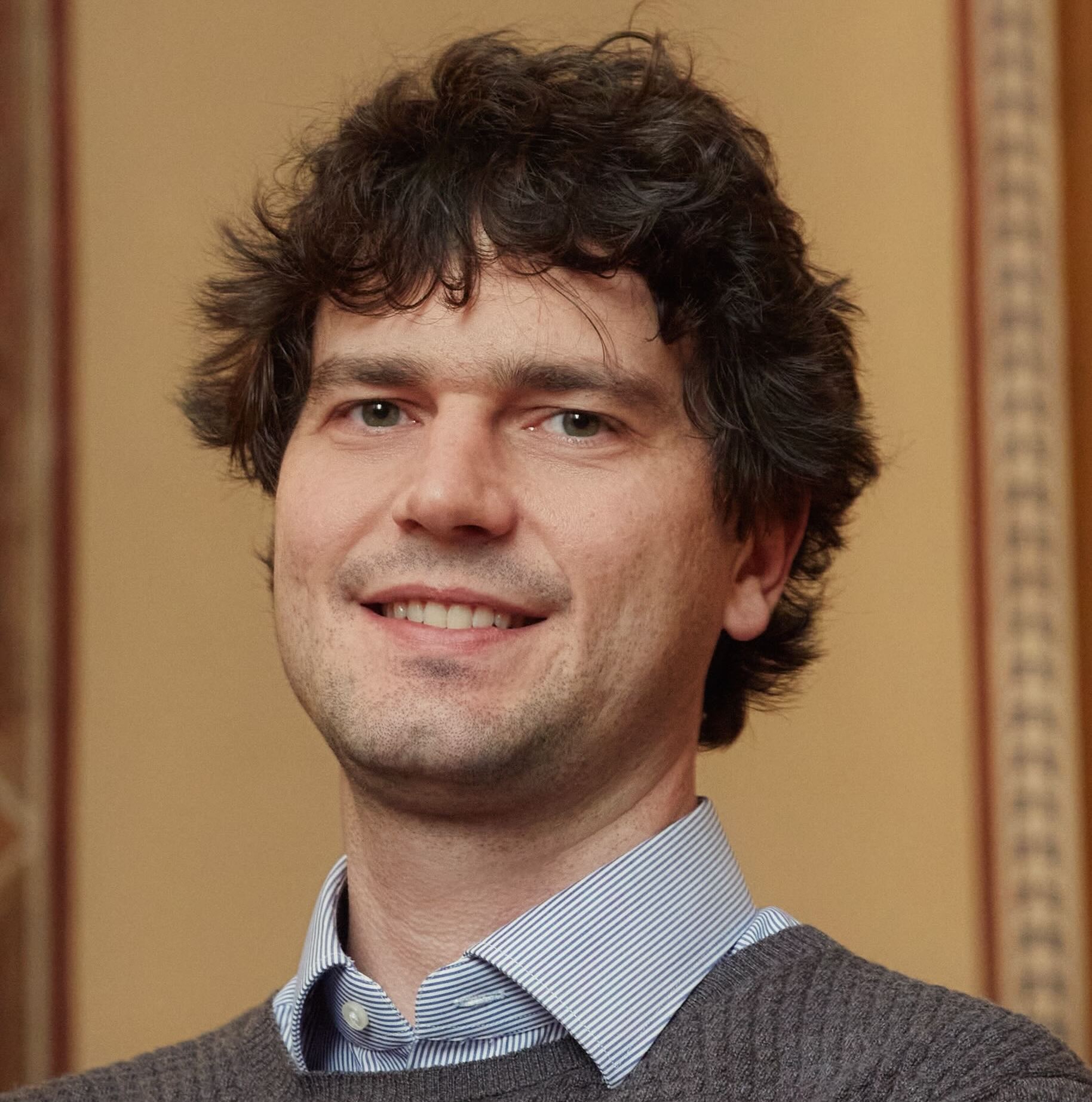
Mario Zanon
IMT School for Advanced Studies Lucca,
Italy
IPC Members
Ahn, Heejin, KR
Ajanovic, Zlatan, BA
Ananduta, Wicak, BE
Augier, Nicolas, FR
Azar, Ahmad Taher, SA
Boizot, Nicolas, FR
Bordons, Carlos, ES
Carli, Raffaele, IT
Chanfreut Palacio, Paula, NL
d’Angelo, Massimiliano, IT
Domek, Stefan, PL
Ferrari Trecate, Giancarlo, CH
Fleming, James, UK
Fontes, Fernando A. C. C., PT
Grancharova, Alexandra, BG
Grover, Jaskaran, USA
Guay, Martin, CA
Gulan, Martin, SK
He, Shaoming, CN
Jørgensen, John Bagterp, DK
Jungers, Marc, FR
Kishida, Masako, JP
Klaučo, Martin, SK
Krishnamoorthy, Dinesh, NL
La Bella, Alessio
Lazar, Mircea, NL
Löfberg, Johan, SE
Ławryńczuk, Maciej, PL
Limon, Daniel, ES
Logist, Filip, BE
Maity, Arnab, IN
Mammarella, Martina, IT
Mesbah, Ali, USA
Mhamdi, Adel, DE
Mönnigmann, Martin, DE
Necoara, Ion, RO
Ohtsuka, Toshiyuki, JP
Olaru, Sorin, FR
Ordys, Andrzej, PL
Prandini, Maria, IT
Pannocchia, Gabriele, IT
Qujano, Nicanor, CO
Ruiz, Fredy, IT
Sasiadek, Jurek, CA
Scattolini, Riccardo, IT
Segovia, Pablo, ES
Sopasakis, Pantelis, UK
Tedesco, Francesco, IT
Turetsky, Vladimir, IL
Sponsors

International Federation of Automatic Control
Main technical sponsor
International Federation of Automatic Control
Main technical sponsor
International Federation of Automatic Control
Main technical sponsor
Diversity and Inclusion statement
IFAC, as an international federation serving and representing all those concerned with the theory and application of automatic control and systems engineering wherever situated, is devoted to creating and fostering an inclusive environment that is open to diverse thoughts, ideas, and communications, without fear of discrimination, harassment, or retaliation against any member of this community. It is committed to providing equal opportunities and a safe environment for every person who chooses to participate in its work. Additionally IFAC strives for these same principles for all IFAC activities, including technical events, journals, and its various committees and governing boards.
- IFAC actively promotes the inclusion of a diverse set of speakers, which will lead to more representative discussions across IFAC.
- IFAC actively promotes the inclusion of a diverse set of members of its boards and committees at all levels, which will lead to more representative decisions, policies and activities across IFAC.
More about IFAC Mission and Vision
Become An IFAC Affiliate
IFAC offers services dedicated to individuals who sign-up as IFAC Affiliates. The services include the possibility to share and consult information about other Affiliates. It also gives access to more advanced features such as :
- Receiving the IFAC Newsletter.
- Receiving alerts about the IFAC Conferences in your field/s of interest.
- Benefit for reduced registration fees at IFAC Conferences. Conferences are typically 10€ (or the local equivalent) less expensive for IFAC Affiliates, than for non-affiliates.
- Participating in IFAC Technical Activities.
- Organizing IFAC Conferences.
- Participating in IFAC Journals.
- Applying to IFAC Awards.
- Applying to the IFAC Activity fund.
- And more to come in the future.
Moreover, being an IFAC Affiliate is free of charge. Any individual who is interested in Control Engineering should sign up !
Contact
For any question relative to the organisation of the conference, feel free to contact the organizers: nmpc2027orga-e14@tuhh.de