PROGRAM
Program Overview
The conference general program will be announced in due time.
Proceedings
The proceedings shall be published shortly after the conference in IFAC-PapersOnLine
Plenary lectures
SYSID 2027 features the following plenary speakers :
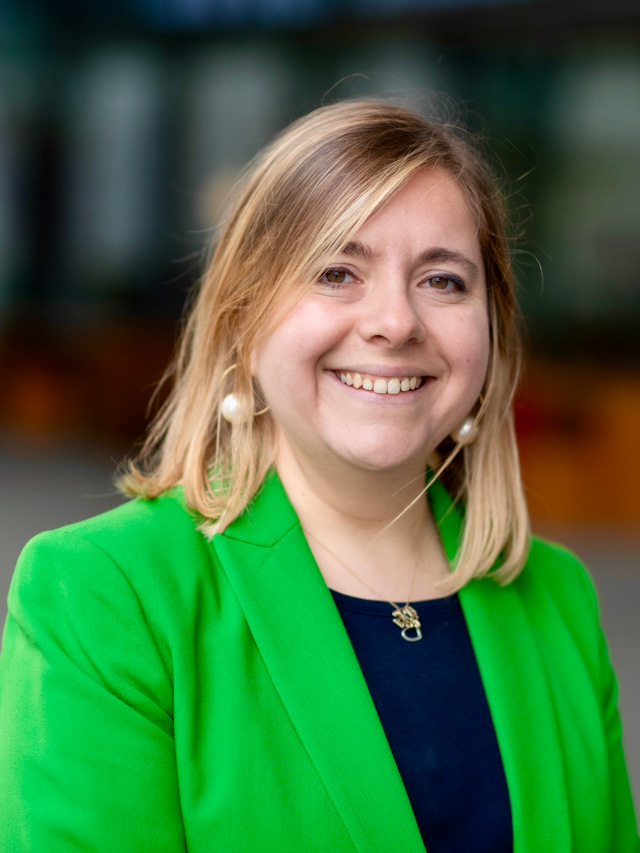
Valentina BRESCHI
Title : to be defined
Session : to be scheduled
TU Eindhoven, The Netherlands
Bio: Valentina Breschi received her B.Sc. in Electronic and Telecommunication Engineering and her M.Sc. in Electrical and Automation Engineering from the University of Florence (Italy) in 2011 and 2014, respectively. She received her Ph.D. in Control Systems from IMT School for Advanced Studies Lucca (Italy) in 2018, being a visiting scholar at the University of Michigan (USA). From 2018 to 2023, she was with Politecnico di Milano (Italy), first as a post-doctoral researcher and then as a junior assistant professor from 2020 to 2023. In 2023, she joined the Department of Electrical Engineering at Eindhoven University of Technology (The Netherlands), where she is now an Assistant Professor. Her research interests include data-driven control, system identification, meta-learning, opinion dynamics, and fairness in policy design.
Abstract : to be defined
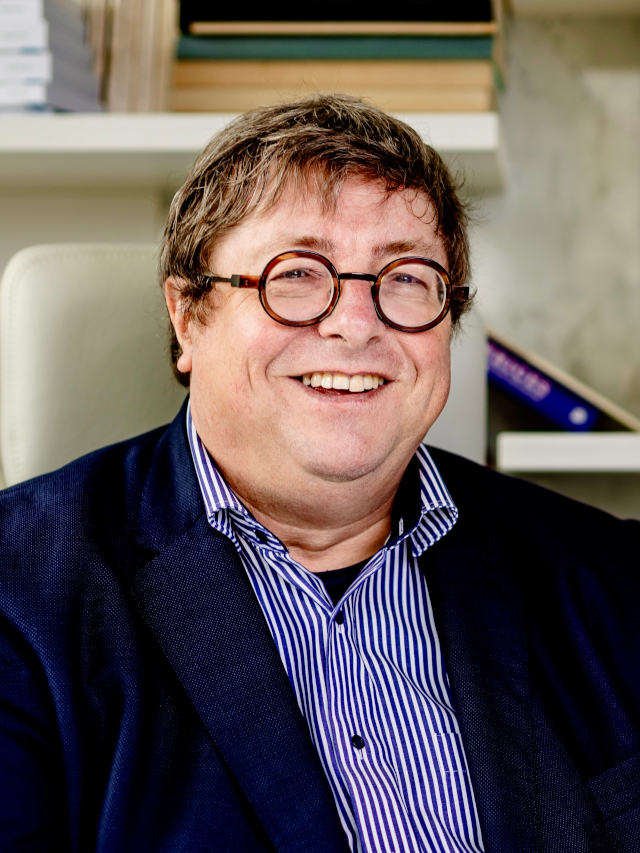
Bart DE MOOR
Title: to be defined
Session: to be scheduled
KU Leuven, Belgium
Bio: Bart De Moor (°1960, PhD (1988)) is full professor at the Department of Electrical Engineering of KU Leuven, Belgium (ESAT – STADIUS). His research spans the broad domain of mathematical engineering, with core expertise in numerical linear algebra, algebraic geometry, system theory, and control. His work also encompasses numerical optimization, machine learning, and data science. These fields converge in a wide range of applications, and his projects bridge theory and practice—particularly in collaboration with industry and biomedicine
He has been guiding close to 100 PhD students and co-authored more than 400 scientific papers and 11 books. He is an ERC Advanced Grant holder. His scientific work was recognized with many awards (including fellowships of IEEE, SIAM, IFAC) and led to the creation of 11 spin-off companies (6 in Health 2.0, 5 in Industry 4.0). Bart is elected member of the Royal Academy since 2004, and received the 2010 FWO Science Excellence Award from King Albert II of Belgium. In 2020 he was nominated a Commander in the Order of Leopold I, and in 2025 Grand-Officer in the Order of the Crown, by King Filip I. Finally, he was elected as International Fellow of the Swedish Royal Academy of Engineering in 2025, and received a Doctorate Honoris Causa from KTH, Stockholm, in 2026.
Bart served three times (1991-1992, 1994-1999, 2006-2008) as head of cabinet of ministers of Science and Socio-Economic Policy in Belgium/Flanders and acted as a vice-rector of International Policy of his university KU Leuven (2009-2012). Since 2019, he is one of the architects and coordinators of the large Flanders AI program that involves all 5 universities and 4 strategic research centers in Flanders. Furthermore he is the chairman of Capricorn Digital Growth Fund (venture capital) since 2018, of Health-House (a high-tech biomedicine science outreach center) since 2015, of the Alamire Foundation (digital humanities, polyphonic music) since 2016, of VAIA, Flanders AI Academy since 2020, and co-founded Technopolis (Flemish children activity center for science and technology) in 1999.
Abstract: to be defined
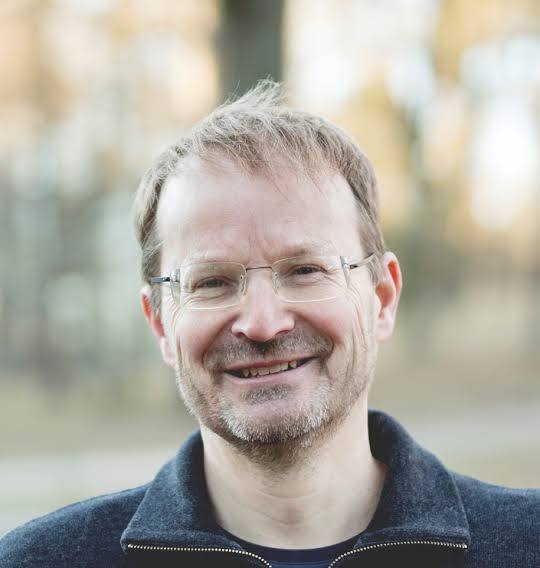
Håkan HJALMARSSON
Title: to be defined
Session: to be scheduled
KTH, Sweden
Bio: Håkan Hjalmarsson received the M.S. degree in Electrical Engineering in 1988, and the Licentiate degree and the Ph.D. degree in Automatic Control in 1990 and 1993, respectively, all from Linköping University, Sweden. He has held visiting research positions at California Institute of Technology, Louvain University and at the University of Newcastle, Australia. He has served as an Associate Editor for Automatica (1996-2001), and IEEE Transactions on Automatic Control (2005-2007) and been Guest Editor for European Journal of Control, Control Engineering Practice and IFAC Journal of Systems and Control. He is Professor at the Department of Decision and Control Systems, School of Electrical Engineering and Computer Science, KTH, Stockholm, Sweden and also affiliated with the Competence Centre for Advanced BioProduction by Continuous Processing, AdBIOPRO. He is an IEEE Fellow and past Chair of the IFAC Coordinating Committee CC1 Systems and Signals. In 2001 he received the KTH award for outstanding contribution to undergraduate education. He was General Chair for the IFAC Symposium on System Identification held in 2018. His research interests include system identification, learning of dynamical systems for control, process modeling control and estimation in communication networks.
Abstract: to be defined
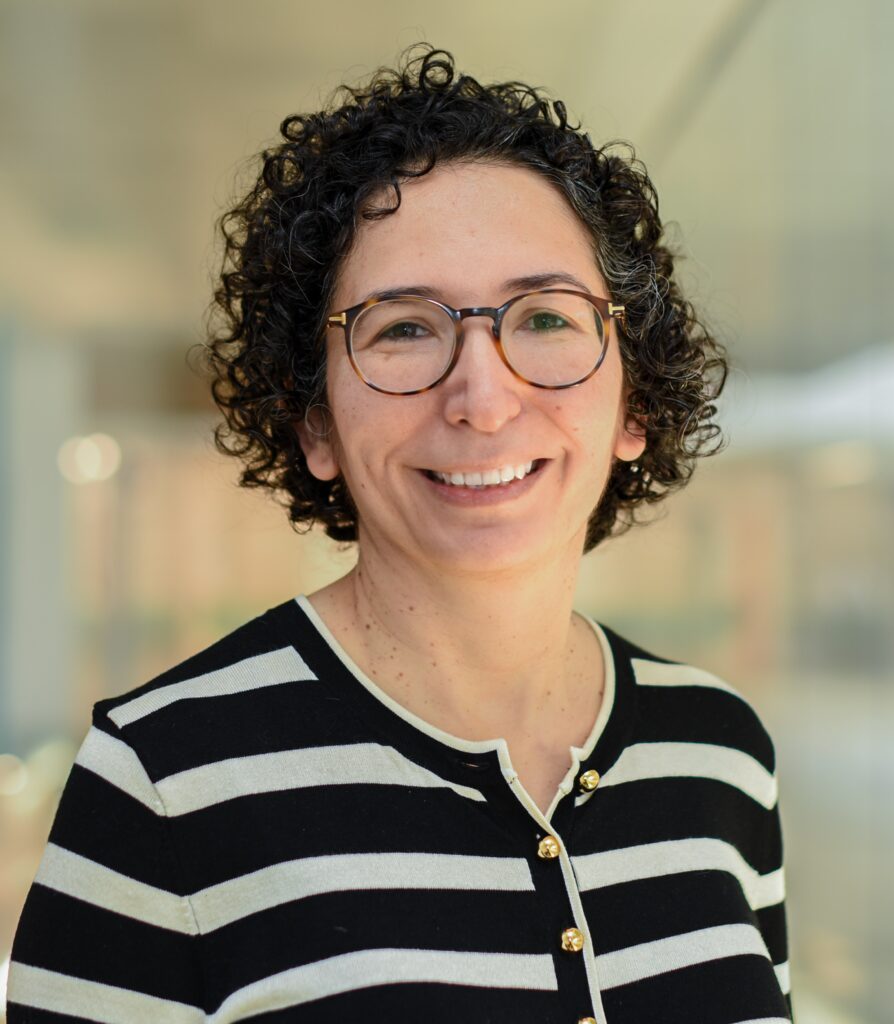
Necmiye OZAY
Title: to be defined
Session: to be scheduled
University of Michigan, USA
Bio: Necmiye Ozay received her B.S. in Electrical and Electronics Engineering from Bogazici University in 2004, her M.S. in Electrical Engineering from Pennsylvania State University in 2006, and her Ph.D. in Electrical Engineering from Northeastern University in 2010. Between 2010 and 2013, she was a Control and Dynamical Systems postdoctoral scholar at Caltech. In 2013, she joined the University of Michigan faculty, where she is currently a Professor of Electrical Engineering and Computer Science and of Robotics. Her research interests include dynamical systems, control, optimization and formal methods, with applications in cyber-physical systems, system identification, verification and validation, safe autonomy and safe AI. She received a DARPA Young Faculty Award, an NSF CAREER Award, a NASA Early Career Faculty Award, a DARPA Director’s Fellowship, an ONR Young Investigator Award, and 2021 Antonio Ruberti Young Researcher Prize from the IEEE Control Systems Society. She served as a co-chair for the 22nd ACM Conference on Hybrid Systems: Computation and Control (HSCC) in 2019, a program co-chair for the IFAC Conference on Analysis and Design of Hybrid Systems (ADHS) in 2021, a program co-chair for International Conference on Cyber-Physical Systems (ICCPS) in 2024, and the general chair for 2025 Annual Conference on Learning for Dynamics and Control (L4DC). She is an IEEE Fellow and an associate editor of Automatica and Discrete Event Dynamic Systems.
Abstract: to be defined
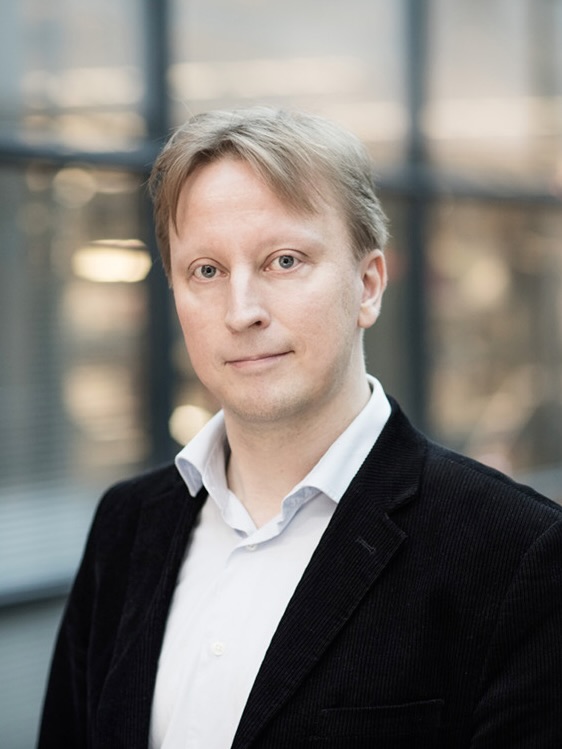
Simo SÄRKKÄ
Title: to be defined
Session: to be scheduled
Aalto University, Finland
Bio: Simo Särkkä received his Master of Science (Tech.) degree in engineering physics and mathematics, and Doctor of Science (Tech.) degree in electrical and communications engineering from Helsinki University of Technology, Espoo, Finland, in 2000 and 2006, respectively. Currently, he is a Full Professor in Aalto University (started 2015, tenured 2019, full from 2024) and an Adjunct Professor with Texas A&M University, Tampere University, and LUT University. He is also a Fellow of European Laboratory for Learning and Intelligent Systems (ELLIS), and he is the leader of AI Across Fields (AIX) program and AI for Health SIG in Finnish Center for Artificial Intelligence (FCAI).
From 2000 to 2010 he worked with Nokia Ltd., Indagon Ltd., and Nalco Company in various industrial positions related to telecommunications, positioning systems, and industrial process control. From 2010 to 2013 he worked as a Senior Researcher with the Department of Biomedical Engineering and Computational Science (BECS) at Aalto University, Finland, and also held the position of Academy Research Fellow for 2013-2018.
His and his group’s research interests are in multi-sensor data processing systems with applications in location sensing, AI methods in health and medical technology, machine learning, inverse problems, and brain imaging. He has authored or coauthored more than 200 peer-reviewed scientific articles and his books “Bayesian Filtering and Smoothing” and “Applied Stochastic Differential Equations” have been published via Cambridge University Press. He is a Senior Member of IEEE.
Abstract: to be defined
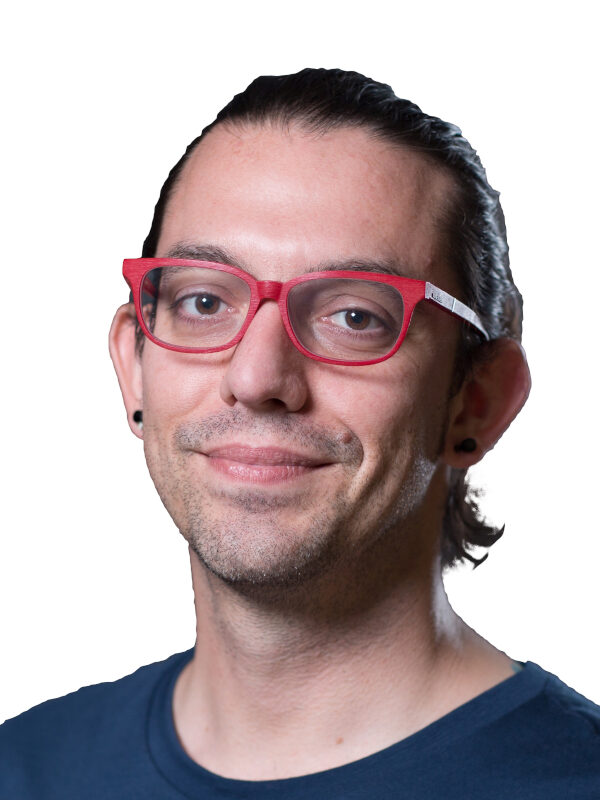
Luigi VANFRETTI
Title: to be defined
Session: to be scheduled
Rensselaer Polytechnic Institute, USA
Bio: Luigi Vanfretti (Senior Member, IEEE) was born in Guatemala and obtained his Engineering Degree with a concentration in Electrical Power in 2005 from Universidad de San Carlos de Guatemala. He then received the M.Sc. and Ph.D. degrees in electric power engineering from the Rensselaer Polytechnic Institute (RPI), Troy, NY, USA, in 2007 and 2009, respectively. He held postdoctoral research posts both at RPI and KTH Royal Institute of Technology, Sweden, in 2010.
He is currently a Full Professor at Rensselaer Polytechnic Institute, since July 2022, where he was a tenured Associate Professor from 2017-6/2022-6. At RPI, he leads research projects in his laboratory and with his research team, ALSETLab, in the domains of electrical power and energy systems in the context of utility networks and electrified transportation.
Professor Vanfretti has held temporary posts in prestigious international institutions, in 2019 he was a Visiting Faculty at the King Abdullah University of Science and Technology, Thuwal, Saudi Arabia; in 2022 he was a Visiting Professor at both the Laboratoire Ampère of the École Centrale de Lyon in 2022 and 2025, and at the SuperGrid Institute in 2022, both located in Lyon, France; and in 2023-2024 he was Visiting Faculty at the Mitsubishi Electric Research Labs., in Cambridge, MA.
In addition to his academic duties, through Vanfretti Consulting LLC, Dr. Vanfretti he has served as a consultant for utilities and research institutions, including Dominion Energy in Virginia, USA, the SuperGrid Institute in Lyon, France, and CENACE (the power system operator of Ecuador), Quito, Ecuador, to name a few.
Professor Vanfretti was an Assistant Professor, Associate Professor (tenured) and a Docent with the KTH Royal Institute of Technology, Stockholm, Sweden, from 2010 to 2013 and from 2013 to 2017, respectively, where he led the SmarTS Lab (a research group). He was with Statnett SF, the Norwegian transmission system operator, from 2013 to 2016, as a Special Advisor with the Research and Development Department and as a consultant, from 2011 to 2012 and in 2017.
His research interests are in “electrified systems,”’ and include physics-based system modeling, simulation, stability and control in the domains of power grid and electrified transportation, both vehicles and infrastructure. In addition, he performs research on synchrophasor technologies, both on technology development and data analytics, and is interested in the application of software technologies, signal processing, system identification and machine learning for design and operation analytics for energy systems.
Abstract: to be defined
Workshops
Social Program
Banquet – July 8, 2027
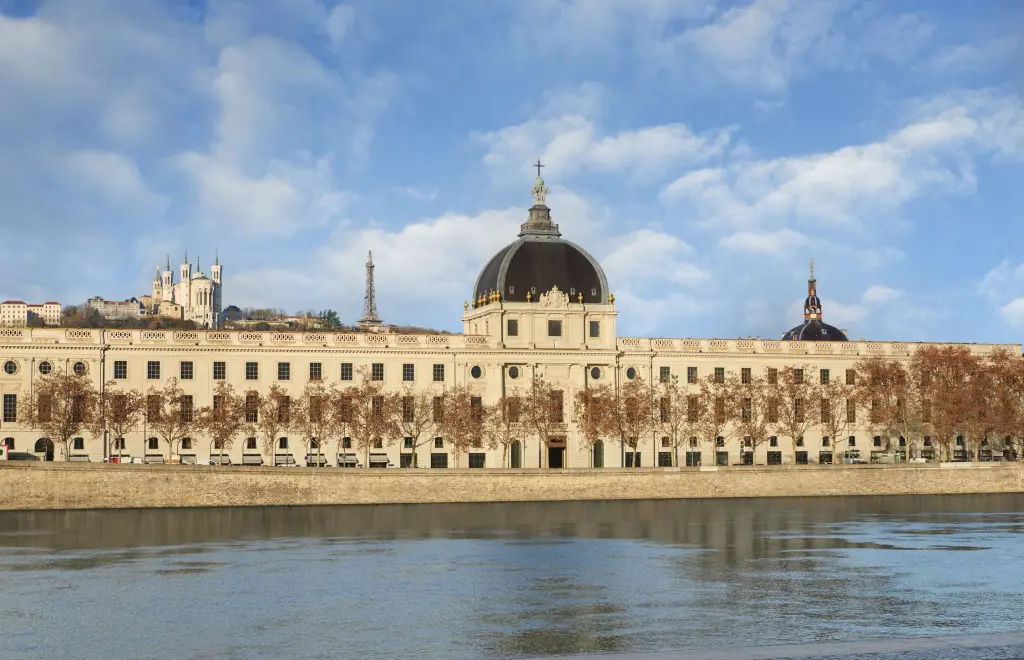
The SYSID 2027 banquet will be held at the Intercontinental Hotel, located within the Grand Hôtel Dieu (https://en.visiterlyon.com/discover/heritage-unesco/remarkable-sites-and-monuments/grand-hotel-dieu) along the Rhône River.